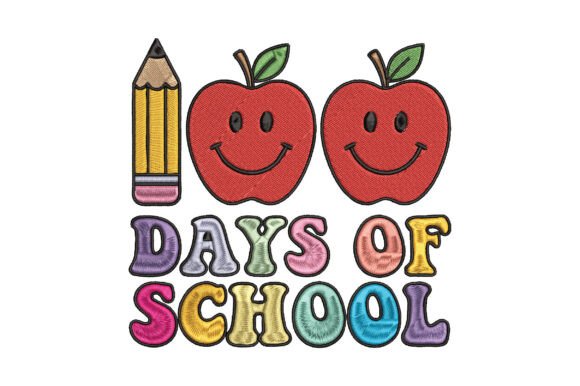
100 Days of School Embroidery Design Review
As an embroidery designer preparing for the upcoming weekend craft fair season, my studio table is currently covered in fabric swatches, stabilizer rolls, and test stitches. When evaluating a new machine embroidery design for commercial production, I look beyond just the digital preview. I need to know if the design will actually sell when displayed on a crowded table next to dozens of other vendors. The 100 Days of School Embroidery Design has caught my eye as a potential bestseller for the late winter market circuit, but before I commit to batch production, it requires a thorough professional assessment.
First Impressions and Visual Appeal
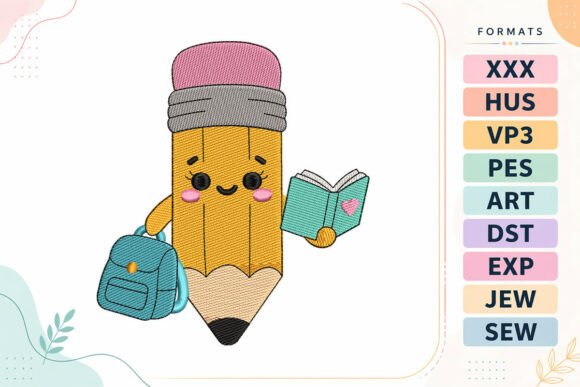
My initial reaction to this design is that it strikes a perfect balance between nostalgic and modern playful. Featuring a cheerful pencil, smiling apples, and colorful stitched lettering, the aesthetic leans heavily into a bright, primary-color palette that immediately signals "celebration." For a craft fair product, instant recognition is vital. Customers walking past my booth have less than three seconds to understand what an item is. This design succeeds because the iconography is universal. It does not require explanation; parents and teachers instantly connect with the milestone.
The style feels approachable rather than overly formal. It avoids the stiff, traditional look of vintage school motifs, opting instead for a fun, energetic vibe that appeals to modern educators and young students alike. As a Back To School adjacent theme, it captures the mid-year enthusiasm perfectly. The smiling faces on the apples add a layer of personality that transforms a standard graphic into a character-driven handmade product. This emotional connection is often what tips a browser into becoming a buyer at a physical market.
Best Product Applications for Market Sales
Not every embroidery file works on every substrate. Based on the composition of the 100 Days of School Embroidery Design, I have identified specific products where this artwork will perform best both visually and commercially.
- Tote Bags: This is my top recommendation. A canvas tote bag design featuring this artwork serves as a practical teacher gift or student celebration bag. The flat surface of cotton canvas allows the colorful stitched lettering to remain crisp, and the large hoop area accommodates the full design without distortion.
- Aprons: For classroom parties involving food preparation or messy art projects, apron embroidery is a high-value niche. The design placement on the chest or lower pocket area acts as a focal point. Ensure the apron fabric is sturdy enough to support the stitch count without puckering.
- Tea Towels: While tea towel embroidery is popular, textured terry cloth can be tricky. If using this design on towels, I recommend a tear-away topper to prevent the smiling apple details from sinking into the pile. Flour sack towels are a safer bet for maintaining detail clarity.
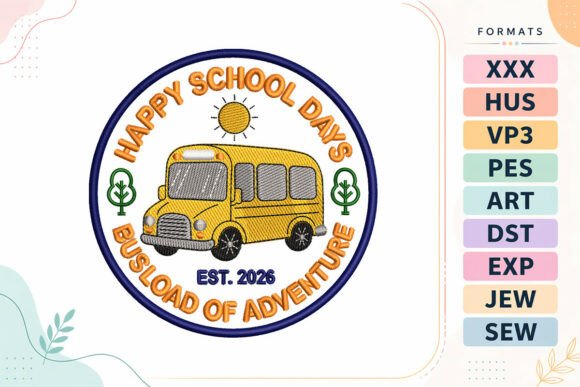
- Embroidered Patches: Creating standalone patches is an excellent way to utilize scrap fabric and offer a lower price point item at the craft fair. The bold outlines in this design translate well to patch making, allowing customers to iron them onto existing backpacks or jackets.
Production Practicality and Booth Display
For an Etsy seller or boutique maker, time is money. I evaluated this design for its repeatability in batch production. The color changes appear logical, minimizing thread trims and machine stops. This efficiency is crucial when producing twenty tote bags for a weekend show. Furthermore, the design photographs exceptionally well. The high contrast between the bright thread colors and neutral backgrounds makes for a stunning printable mockup or listing photo. In a physical booth, these bright colors act as a visual magnet against the often muted tones of winter market displays.
However, versatility has limits. While this works beautifully as a large focal design, scaling it down too small for items like baby bibs or shirt cuffs may result in lost detail. The smiling faces on the apples and the interior lines of the pencil require adequate space to remain legible. Always verify the minimum size recommendations in your digital embroidery file documentation before attempting to resize for smaller goods.
Critical Technical Considerations
Even the most adorable design can fail if technical execution is poor. As a professional, I must highlight specific caution areas for the 100 Days of School Embroidery Design:
- Stitch Density: Check the fill areas on the pencil and apples. If the stitch density is too high for lightweight fabrics, you risk needle breaks or fabric tearing. Conversely, low density on dark fabrics may allow the base material to show through.
- Small Lettering: The "100" and accompanying text likely contain satin stitches. On textured fabrics or curved surfaces like caps, these letters can become jagged. Test on the exact fabric texture you intend to sell.
- Stabilizer Selection: Do not rely solely on tear-away backing for stretchy knits or loose weaves. A cut-away stabilizer is often necessary to maintain the structural integrity of the design over time, especially for items that will be washed frequently like aprons and tea towels.
- Thread Colors: Verify that your chosen thread colors match the digital proof. Screen brightness varies, and a neon green on a monitor might stitch out as a dull olive. Physical thread charts are essential for accurate color matching.
Designer Notes for Commercial Success
Before listing this as a small shop product or stocking my booth, I follow a strict validation protocol. First, always sew out a test sample on scrap fabric identical to your final product. Digital simulations cannot replicate the physics of thread tension. Second, confirm the hoop size requirements. Nothing halts production faster than realizing a design exceeds your machine’s maximum field after you have already prepped ten blanks.
Additionally, review the licensing terms included with your purchase. Just because you bought the design assets does not automatically grant unlimited commercial embroidery rights for finished products. Respect the digitizer's terms to protect your business reputation. Finally, create at least one real-life sample to photograph. Customers trust photos of actual finished product stitching far more than digital renders. Showing the texture and sheen of the threads builds confidence in your handmade quality.
Final Verdict for Craft Fair Sellers
The 100 Days of School Embroidery Design earns a strong recommendation for makers targeting the education and family demographic. Its cheerful aesthetic, clear iconography, and adaptability to high-margin items like tote bags and aprons make it a strategic addition to any winter market lineup. By paying attention to stabilization, fabric choice, and proper sizing, this design can serve as a reliable anchor product that drives engagement and sales. Remember to check all specific file details provided by the digitizer, as stitch counts and formats vary. With careful preparation, this design is poised to be a highlight of your seasonal collection.