Classic School Supplies Embroidery Review
As an experienced embroidery designer preparing for a busy weekend craft fair, I evaluate every machine embroidery design through the lens of production efficiency and customer appeal. When reviewing the Classic School Supplies Embroidery file, my immediate assessment is that this design embodies a clean, friendly, and nostalgic aesthetic. It does not lean into chaotic cartoon styles or overly complex shading; instead, it offers a traditional, readable look that appeals to parents, teachers, and organization enthusiasts. While the product category metadata may list "Food," as a professional, I must clarify that this is strictly an Embroidery asset. However, its utility in kitchen-adjacent items like lunch bags or teacher appreciation tea towels makes it a versatile contender for any handmade market booth.
First Impressions and Booth Visibility
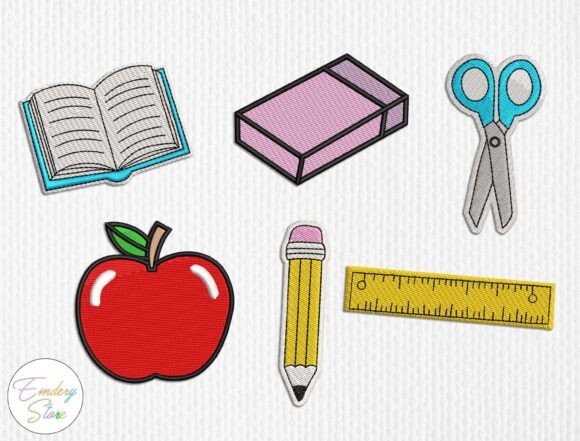
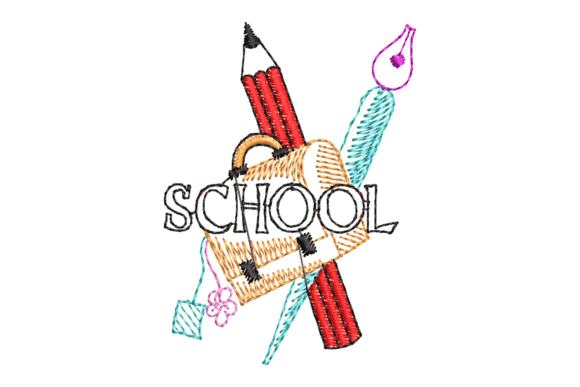
When setting up a table display, you have seconds to capture attention. The Classic School Supplies Embroidery succeeds because of its high visual clarity. The inclusion of recognizable icons—a backpack, pencil, and pen—paired with the bold word “SCHOOL” creates an instant cognitive connection for buyers. This is not a subtle, minimalist line art piece; it is a declarative statement design. For a craft fair product, this level of immediate recognition is vital. Customers browsing from three feet away can instantly identify the theme without needing to read a tag or ask a question.
The style feels premium yet accessible. It avoids the cluttered look of cheap digitizing, suggesting a handmade product quality that justifies a higher price point. In a sea of generic monograms, this specific thematic grouping stands out as intentional and curated. It strikes a balance between vintage schoolhouse charm and modern readability, making it suitable for both children’s gear and adult organizational accessories.
Best Selling Applications for Market Day
Evaluating where to apply this embroidery file requires understanding fabric interaction and buyer intent. Based on the design's description and elements, here are the top-performing applications for a physical booth:
- Tote Bag Design: This is arguably the strongest application. Canvas totes provide a stable, flat surface that showcases the "clean and friendly style" mentioned in the description. A natural cotton tote with navy or red thread creates a classic academic look that sells consistently at fall markets.
- Tea Towel Embroidery: While categorized oddly elsewhere, this design works beautifully on flour sack towels for teacher gifts. The absorbent, smooth texture allows for crisp lettering, and the school theme resonates deeply during back-to-school season or end-of-year gifting.
- Apron Embroidery: For classroom volunteers or art teachers, an apron featuring this design adds a layer of professional pride. The chest placement is ideal for the backpack and text combination, serving as a uniform-like identifier.
- Embroidered Patch: Creating standalone patches allows for low-risk inventory. These can be sold individually or applied to denim jackets and caps. Patches maximize the value of a single digital embroidery file by creating multiple revenue streams.
- Fabric Pouches and Zipper Bags: Small zipper pouches for pencils or cosmetics are excellent small shop product options. They utilize smaller hoop sizes and allow you to offer a lower-priced entry point for customers who love the design but cannot afford a large tote.
Production Practicality and Batch Efficiency
For an Etsy seller or boutique maker, time is money. The Classic School Supplies Embroidery appears optimized for batch production. The combination of distinct objects (backpack, pencil, pen) likely allows for efficient color blocking. If the digitizer has grouped thread colors logically, you can stitch out multiple items without excessive stops or trims. This repeatability is essential when fulfilling orders for a craft fair where you need twenty identical totes ready by Saturday morning.
Photographing this design for online listings is also straightforward. The bold elements and clear text translate well to thumbnails. Unlike intricate lace or tone-on-tone designs that disappear in photos, this design maintains its integrity in a printable mockup or product photo. This reduces the need for extensive editing and ensures your online presence matches the physical quality of your finished product.
Critical Technical Considerations
Despite its user-friendly appearance, there are technical variables that must be managed to ensure commercial success. As a reviewer, I advise checking the following before committing to bulk production:
- Stitch Density on Textured Fabrics: If applying this to terry cloth towels or thick canvas, verify the stitch density. Thin satin stitches on the pencil or pen outlines may sink into the pile. You may need to add a knockdown stitch or use a heavier weight thread to maintain definition.
- Small Lettering Clarity: The word “SCHOOL” is central to the design. Ensure the font size remains legible if resizing down for patches or baby bibs. Tiny details in machine embroidery often suffer when scaled below 60% of original size. Always test the minimum viable size.
- Curved Surfaces: If using this for caps, remember that flat designs do not always map perfectly to curved brims. The horizontal alignment of the backpack and text may require distortion correction or a specific cap-hooping technique to prevent flagging or misalignment.
- Thread Contrast: The "clean" aesthetic relies heavily on contrast. Stitching dark blue thread on a black bag will fail visually. Stick to high-contrast pairings: white on navy, red on cream, or yellow on charcoal. Test thread colors against your specific blank inventory before the show.
- Stabilizer Selection: Do not rely solely on tear-away for knits or stretchy fabrics. The density of a filled backpack shape requires adequate support to prevent puckering. Use a cut-away stabilizer for apparel and tote bags to ensure the design remains flat and professional after washing.
Designer Notes for Commercial Success
Before listing this as a commercial embroidery product or selling finished goods, take these professional steps to protect your brand reputation:
- Verify Licensing: Confirm the license terms included with the design assets. Ensure you have the right to sell finished products commercially, especially if you plan to scale beyond local fairs to national online marketplaces.
- Create Physical Mockups: Never rely solely on digital software previews. Stitch at least one real sample on your intended selling fabric. Inspect the registration between the backpack outline and the fill, and check that the pen and pencil align correctly with the text baseline.
- Check Hoop Size Compatibility: Measure the actual dimensions of the design. Ensure it fits comfortably within your largest hoop with adequate margin for stabilization. If the design pushes the limits of a 4x4 hoop, consider resizing slightly to avoid jump stitch errors or frame marks.
- Evaluate Brand Consistency: Does this design match your existing booth aesthetic? If your brand is strictly boho-neutral, a primary-colored school design might feel disjointed. Adapt the thread colors to match your brand palette (e.g., muted sage, terracotta, and oatmeal) to maintain cohesion across your product line.
- Test Wash Durability: Since this targets school supplies and functional bags, wash your test sample. School items get dirty. Ensure the stabilizer was sufficient and the threads hold up to agitation without fraying or distorting.
The Classic School Supplies Embroidery represents a solid opportunity for makers targeting the education and organization niche. Its strength lies in its universality and clean execution. By respecting the technical requirements of fabric texture and stabilizer choice, and by applying it to high-demand items like totes and tea towels, this design can become a reliable bestseller for your handmade business. Always prioritize real-world testing over digital assumptions to ensure your craft fair table showcases only the highest quality workmanship.