Cute Student Bag Patch Embroidery File Review
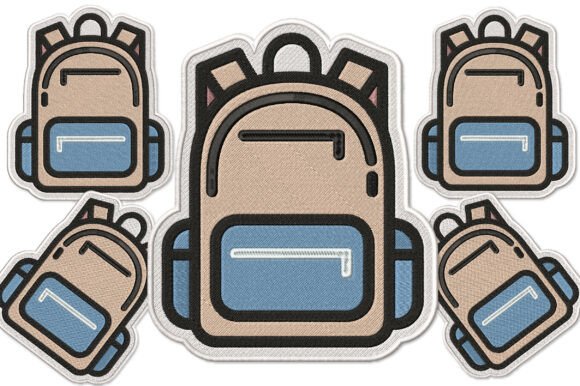
As an embroidery designer preparing a limited capsule collection for a boutique brand, I approach every new digital asset with a critical eye. When sourcing designs for premium sweatshirts and cozy hoodies, the difference between a generic craft project and a high-end retail product often lies in the digitizing quality and aesthetic versatility. I recently evaluated the Cute Student Bag Patch Embroidery File to determine if it meets the rigorous standards required for commercial apparel production. This review breaks down my technical assessment and creative application strategies for small shop owners and Etsy sellers looking to elevate their Back To School offerings.
First Impressions and Aesthetic Versatility
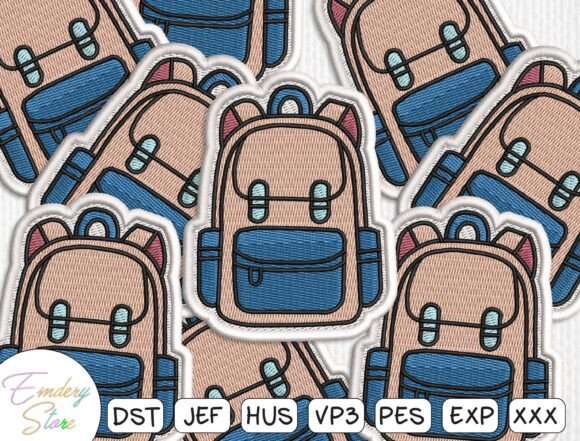
My initial reaction to this machine embroidery design was that it strikes a difficult balance: it is undeniably cute without being juvenile. For a boutique brand targeting teens, college students, or nostalgic adults, this distinction is vital. The layout suggests a modern interpretation of school supplies, moving away from rigid clip-art styles toward something that feels hand-drawn and organic. This stitching personality is essential for creating a handmade product vibe that justifies a higher price point than mass-market alternatives.
Visually, the design possesses a playful yet minimal charm. It does not feel overly dense or cluttered, which is a common pitfall in back-to-school embroidery files. Instead, the negative space allows the fabric texture to breathe, making it an excellent candidate for oversized hoodies where heavy designs can cause puckering or drag. The mood is decidedly casual and feminine but retains enough boldness to work on unisex neutral sweatshirts. Whether you are aiming for a rustic academic aesthetic or a bright, pastel-heavy dorm room vibe, this design asset provides a flexible foundation.
Technical Evaluation for Sweatshirt Embroidery
A pretty screen preview does not always translate to a successful finished product. When testing the Cute Student Bag Patch Embroidery File for sweatshirt embroidery, several practical designer concerns must be addressed to ensure commercial viability. Fleece and French terry fabrics have significant loft and stretch, which can distort delicate details if the stitch density is not optimized.
- Stitch Density and Fabric Texture: I looked closely at how the design handles variable fabric thickness. A premium embroidery file should account for the pile of a hoodie. If the stitches are too sparse, they sink into the fleece; if too dense, they create a bulletproof patch effect. This design appears to utilize appropriate underlay strategies to stabilize the knit fabric before laying down top stitches, preserving the soft drape of the garment.
- Thread Color Contrast: For dark navy or charcoal sweatshirts, contrast is non-negotiable. The design’s structure seems conducive to using light-colored threads (cream, pale yellow, soft pink) that pop against dark backgrounds without requiring excessive trims or color changes. This efficiency is crucial for production speed in a small shop environment.
- Stabilizer Selection: Even with good digitizing, sweatshirt embroidery demands proper stabilization. Based on the design's footprint, I recommend a medium-weight cutaway stabilizer fused with temporary spray adhesive. This prevents the "hoop burn" marks that can devalue a boutique item and ensures the backpack motif remains crisp after washing.
- Small-Size Readability: One of the strongest indicators of a professional digital embroidery file is its performance at reduced sizes. For sleeve accents or pocket placements, the details of the backpack straps and zippers must remain distinct. Always verify the minimum recommended size in the file specifications before committing to production, as shrinking a design too aggressively can cause thread breaks and lost detail.
Strategic Placement for Boutique Merchandise
Versatility in placement directly correlates to product value and buyer trust. The Cute Student Bag Patch Embroidery File offers multiple configuration options that can expand your inventory without purchasing additional assets. As an Etsy seller or apparel decorator, maximizing the utility of a single design helps maintain healthy profit margins.
Chest and Heart Placements
The most obvious application is a left-chest placement on crewneck sweatshirts. This classic positioning aligns with current trends in collegiate and varsity-style custom apparel. Because the design has a compact, patch-like silhouette, it anchors well over the heart area without overwhelming the wearer. This size is also ideal for printable mockups, allowing customers to visualize the scale accurately before purchasing.
Sleeve Accents and Cuffs
For a more unique boutique brand identity, consider utilizing this hoodie design on the wrist cuff or upper arm. Sleeve embroidery adds a premium touch that signals attention to detail. The backpack shape is naturally vertical or square-ish, making it geometrically compatible with cylindrical hooping. This placement works exceptionally well for matching sets or as a subtle branding element for lifestyle photography.
Back Designs and Statement Pieces
While the description highlights "patch" applications, scaling this design up for a center-back placement on an oversized hoodie creates a statement piece. However, caution is advised here. Ensure the stitch count remains manageable to prevent stiffness. If enlarging significantly, verify that the digitizer included adequate pull compensation for larger formats. A large back print paired with a small chest logo using the same file creates a cohesive collection narrative.
Commercial Value and Brand Identity
In the saturated market of Back To School merchandise, visual recognition is key. Using a well-digitized Cute Student Bag Patch Embroidery File contributes to a consistent brand language. Customers return to shops where the embroidery looks intentional and durable, not like an afterthought. High-quality stitching implies that the garment itself is high quality.
Furthermore, this design supports effective storytelling in your listings. It evokes nostalgia and preparation, emotions that drive sales during seasonal transitions. When photographing the finished product, style the sweatshirt with actual textbooks, vintage lunchboxes, or campus scenery to reinforce the theme. Lifestyle imagery combined with close-up macro shots of the embroidery texture builds confidence in your craftsmanship.
For digital sellers offering the file itself, emphasize the commercial embroidery potential. Highlight that it has been reviewed for apparel use, not just quilting cotton. Buyers need assurance that the design will run smoothly on various machines and fabrics. Clear communication about hoop size requirements and tested fabric types reduces customer service inquiries and returns.
Final Designer Recommendations
Before adding this design to your production queue, perform a mandatory test stitch-out on the exact sweatshirt blank you intend to sell. Variables in fabric blend, weight, and machine tension mean that no two setups are identical. Check the registration of outline stitches to fill areas; misalignment is the quickest way to downgrade a product from "boutique" to "homemade."
Additionally, review the license terms associated with the Cute Student Bag Patch Embroidery File. Ensure you have the rights for commercial apparel sales if you are selling physical goods, or distribution rights if you are reselling the digital file. Respecting intellectual property protects your business reputation.
Ultimately, this design shows strong promise for small clothing brands and creative entrepreneurs. Its blend of modern aesthetics and functional digitizing makes it a reliable asset for seasonal collections. By focusing on proper stabilization, strategic placement, and high-contrast thread choices, you can transform this digital file into a best-selling tangible product that resonates with students and fashion-conscious buyers alike. Always prioritize the integrity of the finished embroidery over speed, as your brand’s longevity depends on the quality stitched into every garment.