Red Apple Embroidery Design: A Maker’s Review
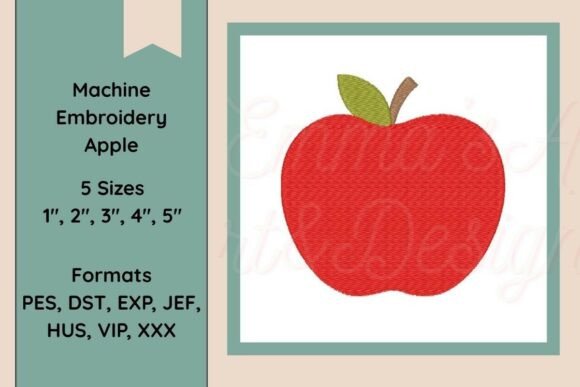
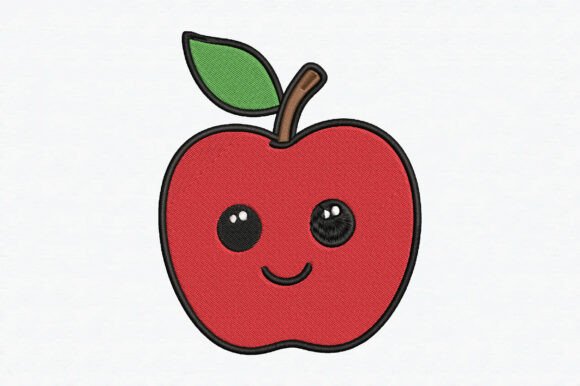
When evaluating a new machine embroidery design for my studio, I look beyond the digital preview. As an experienced designer and product reviewer, I need to know how a file translates from screen to fabric. The Red Apple Embroidery Design immediately caught my attention as a potential staple for nursery projects and cheerful custom apparel. Featuring a cute smiling red apple with playful cartoon details, this design promises a sweet aesthetic, but practical application requires a deeper look at stitch structure, versatility, and commercial viability for handmade businesses.
First Impressions and Visual Personality
My initial assessment of this embroidery file focuses on its emotional resonance and layout. The cartoon style suggests a lighthearted mood that is essential for baby items and children's wear. Unlike realistic botanical illustrations that can sometimes appear stiff or overly complex when stitched, this design leans into bold shapes and expressive features. The smiling face adds a layer of personality that transforms a simple fruit motif into a character.
For an Etsy seller or small shop owner, this visual personality is a selling point. Customers browsing for personalized gifts often respond better to designs that evoke warmth and nostalgia. The balance between the red fill areas and the facial details appears well-proportioned in the digital view, suggesting that the digitizer considered how thread sheen affects contrast. However, as with any nursery themed asset, the true test lies in whether those playful details remain legible once needle and thread hit the fabric.
Real-World Application: Stitching a Custom Tote Bag
To truly judge the Red Apple Embroidery Design, I mentally walked through a recent client project: a custom canvas tote bag intended as a teacher appreciation gift. Canvas is a forgiving but textured substrate that demands confident stitching. In this scenario, the apple serves as a central focal point, likely accompanied by a name or short phrase.
During the simulation of this embroidery project, I considered the interaction between the design’s satin stitch outlines and the canvas weave. A design like this relies heavily on clean edges to maintain its cartoon charm. If the registration is off, the smile could look crooked, ruining the professional finish. Fortunately, the bold nature of this specific design allows for some forgiveness that intricate lace or tiny text cannot offer. For a tote bag design, the scale is crucial; this apple has enough visual weight to stand alone without getting lost in the negative space of a large bag.
I also evaluated this for sweatshirt embroidery. Fleece and French terry fabrics are notorious for swallowing fine details. Because this Red Apple Embroidery Design utilizes distinct color blocks rather than subtle shading gradients, it should perform exceptionally well on knitwear. The solid red body provides excellent coverage, while the contrasting facial features act as anchors for the eye. This makes it a reliable choice for custom apparel where fabric texture varies significantly between brands.
Navigating Fabric Challenges and Hoop Limitations
While versatile, no digital embroidery file is immune to physical limitations. When using this design on stretchy fabrics like ribbed cotton or bamboo jersey for baby embroidery, stabilization is non-negotiable. The density of the red fill area, combined with the outline stitches, creates a concentrated patch of tension. Without adequate cut-away stabilizer, you risk puckering around the apple’s perimeter, which distorts the smiling expression.
Crafters working with small hoop sizes must verify dimensions before purchasing. While the design is compact, resizing it down too far can compromise the clarity of the eyes and mouth. Satin stitches have a minimum width threshold; if scaled below 60% of original size, those charming details may turn into indistinguishable lumps. Conversely, scaling up for large pillow covers or blankets requires checking if the stitch density remains sufficient to prevent gaps in the red fill.
Dark fabrics present another consideration. If stitching this onto navy or black garments, the red apple will pop beautifully, but ensure the outline color contrasts against both the apple and the garment. A white or cream outline typically works best here to separate the red from dark backgrounds. Always test thread colors on a scrap piece first, as monitor brightness rarely matches actual thread sheen under natural light.
Commercial Value for Makers and Sellers
For those running a craft business, the Red Apple Embroidery Design offers strong merchandising potential. Its universal appeal makes it suitable for back-to-school season, autumn collections, and year-round nursery decor. Unlike trendy characters that risk copyright issues, a generic smiling apple is a safe, evergreen asset for commercial embroidery.
When creating printable mockups for online listings, this design photographs well due to its high contrast and recognizable silhouette. Buyers can instantly understand what they are purchasing, reducing hesitation. For sellers offering design assets or finished goods, consistency is key. This apple pairs naturally with other orchard-themed elements, allowing you to build cohesive collections for tea towels, aprons, and bibs without clashing styles.
However, professionalism dictates due diligence. Before listing any handmade product featuring this design, confirm your licensing terms. Some designers restrict commercial use or require attribution. Additionally, inspect the design for jump stitches and trims. Efficient production matters when fulfilling bulk orders for holiday markets; excessive manual trimming eats into profit margins. A well-digitized file should minimize these interruptions.
Essential Designer Notes for Success
Based on my evaluation, here are practical steps to ensure your results match the promise of this design:
- Test on Scrap Fabric: Never stitch directly onto a final product without a trial run. Verify that the facial details register correctly and that the fill stitch provides complete coverage without excessive stiffness.
- Stabilizer Selection: Use a medium-weight cut-away for knits and stretchy baby clothes to prevent distortion. Tear-away may suffice for stable woven cottons like quilting fabric or canvas.
- Check Thread Contrast: Ensure the outline color distinguishes the apple shape clearly, especially on similar-toned fabrics. Variegated threads might distract from the cartoon face; solid colors usually yield cleaner results.
- Verify Licensing: Confirm whether the embroidery file permits commercial sale of finished items or if it is restricted to personal use. Document this permission for your business records.
- Mockup Testing: Create black and white previews alongside color versions. This helps identify value contrast issues that color saturation might hide, ensuring the design reads well in thumbnail images.
- Hoop Size Confirmation: Measure your available hoops against the design dimensions. Remember that resizing affects stitch count and density; stay within recommended scaling limits to preserve quality.
Final Verdict on Usability
The Red Apple Embroidery Design stands out as a robust, user-friendly option for makers targeting the nursery and children’s apparel market. Its strength lies in its simplicity and emotional warmth, making it an excellent candidate for everything from personalized baby gifts to boutique inventory. By respecting fabric characteristics and adhering to proper stabilization techniques, both hobbyists and professional embroiderers can achieve crisp, cheerful results that delight customers.
Ultimately, successful embroidery is about matching the right design to the right context. This apple isn't just a graphic; it's a tool for creating connection through handmade craftsmanship. Whether you are embellishing a vintage-style apron or launching a new line of toddler sweatshirts, approaching this design with technical mindfulness will ensure your finished products reflect the same care and quality as the original digitizing.