School Wagon Apple Crayon Classroom Fun Review
As I prepare my inventory for the upcoming weekend craft fair, my primary goal is to curate a booth that stops traffic and converts browsers into buyers. When evaluating a new machine embroidery design for commercial production, I look beyond digital aesthetics to assess real-world viability. The School Wagon Apple Crayon Classroom Fun design immediately caught my attention as a potential anchor piece for my back-to-school collection. From a professional designer’s perspective, this motif strikes a specific balance between nostalgic charm and modern readability, making it a strong candidate for various handmade product lines.
First Impressions and Visual Hierarchy
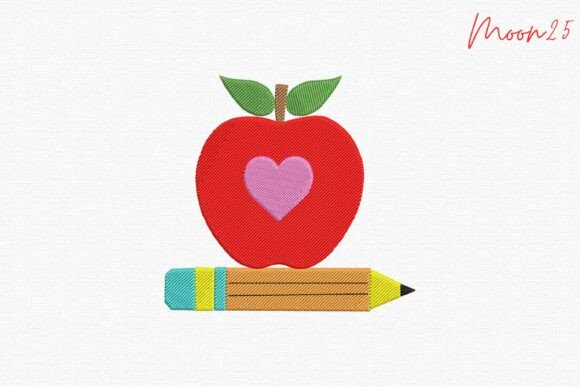
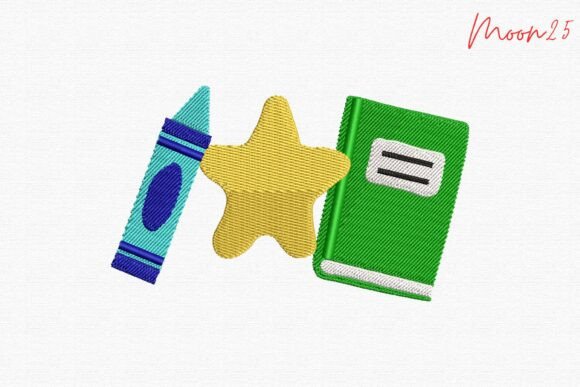
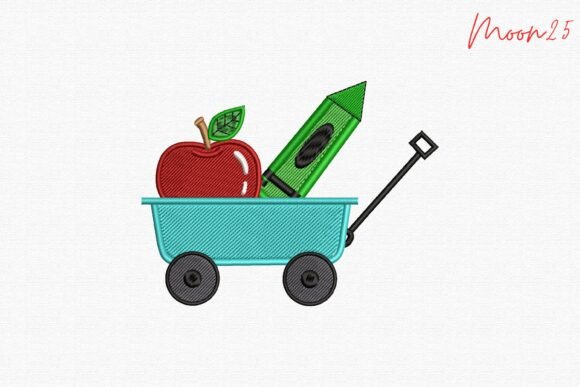
Upon loading the embroidery file, the first impression is undeniably cheerful and accessible. The composition featuring a wagon filled with a classic red apple and colorful crayons reads instantly as "school" without relying on text. This visual shorthand is crucial for a busy craft fair product display where customers scan tables in seconds. The aesthetic leans toward a playful, rustic-modern vibe rather than rigid institutional clip art. It feels handcrafted and warm, which aligns perfectly with the expectations of buyers seeking unique small shop product items over mass-produced goods.
The color blocking in this design suggests excellent contrast potential. The red apple serves as a natural focal point, while the crayons provide an opportunity to utilize vibrant thread colors that pop against neutral backgrounds. For an Etsy seller or boutique maker, this inherent cheerfulness translates well to photography. The design has enough detail to look substantial in listing photos but remains simple enough to avoid looking cluttered when scaled down for social media thumbnails or printable mockup presentations.
Best Applications for Market Products
Determining where School Wagon Apple Crayon Classroom Fun performs best requires matching the design's personality with functional substrates. Based on my experience with similar motifs, here is how I evaluate its application across different product categories:
- Tote Bag Design: This is arguably the strongest application. Canvas totes offer a flat, stable surface that showcases the wagon’s width. The design acts as a centerpiece that appeals to teachers, parents, and students alike. As a tote bag design, it offers high perceived value and justifies a premium price point at markets.
- Apron Embroidery: Teacher appreciation gifts are a massive niche. Placing this design on the chest or lower pocket area of a denim or canvas apron creates an instant emotional connection. The whimsical nature of the crayons complements the utilitarian function of the apron.
- Tea Towel Embroidery: Flour sack towels are a staple for handmade vendors. However, because this design features multiple elements (wagon, apple, crayons), placement is key. Centering it above the hemline ensures the tea towel embroidery remains visible when hung, rather than getting lost in folds.
- Embroidered Patch: If the digitizing allows for a clean border, this motif works exceptionally well as a patch. Patches are high-margin add-ons at craft fairs. Parents love buying them to customize existing backpacks or jackets, extending the life of the finished product.
Production Practicality and Batch Efficiency
For commercial embroidery businesses, time is money. A beautiful design is useless if it causes constant thread breaks or requires excessive trimming. When reviewing School Wagon Apple Crayon Classroom Fun for batch production, I assess the flow. Does the machine jump excessively between the apple and the crayons? Efficient pathing reduces production time and wear on the machine.
This design appears repeatable, which is essential for stocking a booth. Unlike complex portraits or dense landscapes, this motif likely stitches out quickly, allowing for higher volume output. For digital sellers offering this as a digital embroidery file, ensuring the design is optimized for speed without sacrificing coverage is a major selling point. Buyers want design assets that respect their production schedule. Furthermore, the distinct shapes make it easier to align multiple hoops if creating coordinating sets, such as matching pouches and pencil cases.
Critical Technical Considerations
Even the most charming design can fail if technical constraints are ignored. Before committing School Wagon Apple Crayon Classroom Fun to inventory, consider these caution points:
- Stitch Density on Textured Fabrics: While the design looks great on smooth cotton, be wary of terry cloth or waffle weave. The finer details of the crayon tips or wagon wheels may get lost in the pile. Always test stitch density adjustments or use a water-soluble topping to prevent stitches from sinking.
- Small Lettering Risks: If the design includes any text elements like "Classroom Fun," verify the minimum size. Satin stitch letters below 4mm often become illegible or cause puckering. If resizing down for a cap or small pouch, you may need to remove text entirely to maintain clarity.
- Hoop Size Verification: Never assume a design fits your target product. Confirm the exact dimensions against your available hoop size. A wagon shape is typically wider than it is tall; ensure you have adequate margin space on narrower items like apron straps or sleeve cuffs.
- Stabilizer Selection: The combination of fill stitches (apple) and potentially satin elements (crayons) requires balanced support. Using the wrong stabilizer can lead to registration issues where outlines do not meet fills. For stretchy knits or lightweight linens, a cut-away stabilizer is non-negotiable to prevent distortion.
Designer Notes for Successful Execution
To maximize the sales potential of School Wagon Apple Crayon Classroom Fun, treat your preparation phase as seriously as the stitching itself. Always run a test sew-out on scrap fabric that matches your final product weight. Digital previews cannot replicate how thread interacts with fabric texture. Check your thread contrast under natural lighting; what looks vibrant on a screen might appear muddy in outdoor market conditions.
Create at least one physical sample specifically for photography before the fair. Real-life samples sell better than digital renders because they demonstrate scale and quality. Compare fabric colors to ensure the red apple doesn't clash with your base material. Finally, and most importantly, confirm your licensing rights. Whether you purchased this as a standalone file or part of a bundle, verify that you hold the appropriate license for selling finished product items commercially. Protecting your business means respecting intellectual property.
Ultimately, School Wagon Apple Crayon Classroom Fun represents a versatile asset for the creative entrepreneur. Its blend of nostalgia and clear iconography makes it a reliable performer for back-to-school season. By applying rigorous testing and strategic product placement, this design can transition from a simple digital file to a best-selling highlight of your handmade market table. Success in embroidery isn't just about the art; it is about the intentional marriage of design, substrate, and market demand.