Teacher Mode School Applique: A Designer Review
As an embroidery designer preparing for the upcoming weekend craft fair, my table display needs to do more than just look pretty; it needs to convert foot traffic into sales. When evaluating a new machine embroidery design for commercial production, I look for versatility, readability, and that instant emotional connection with the buyer. The Teacher Mode School Applique design immediately caught my eye as a potential anchor piece for my Back To School collection. Before loading this embroidery file into my machine for batch production, I conducted a thorough review to determine its viability as a profitable craft fair product.
First Impressions and Visual Impact
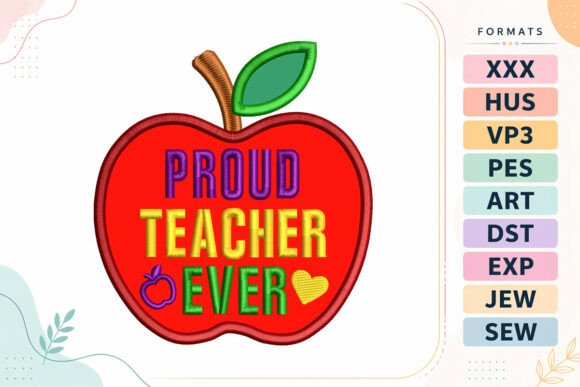
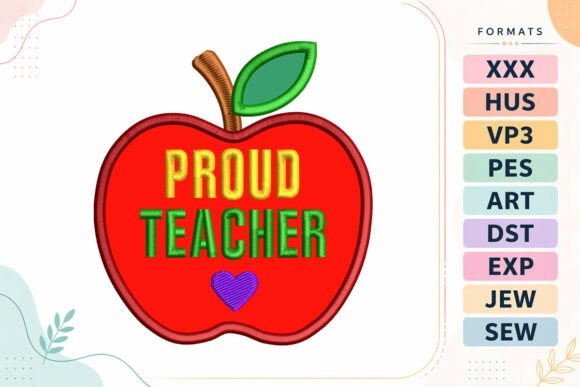
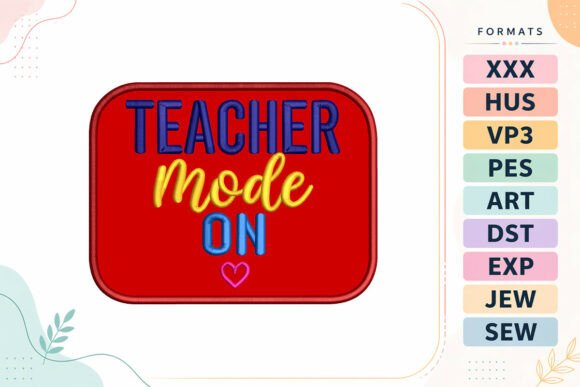
My initial assessment of the Teacher Mode School Applique is that it strikes a balance between playful and professional. It does not feel overly juvenile, which expands the target demographic beyond preschool teachers to include K-12 educators and administrators. The bold lettering described in the product details suggests high visibility from a distance, which is critical for booth displays where customers are scanning tables from several feet away. The colorful accents and decorative applique background provide texture and dimension that flat fill stitches simply cannot achieve.
From a design perspective, this aesthetic leans toward modern farmhouse with a vibrant twist. It feels premium rather than generic because of the layered fabric element. For an Etsy seller or boutique maker, this visual depth photographs exceptionally well. In digital listings and printable mockups, the contrast between the applique fabric and the base material creates shadows and highlights that signal handmade quality to online shoppers. It avoids the flat, clip-art look that often devalues digital embroidery products in the eyes of discerning buyers.
Best Applications for Market Sales
Determining where to place this design is just as important as the design itself. Based on the composition and theme, I have identified specific items where the Teacher Mode School Applique will perform best as a finished product.
- Tote Bag Design: This is likely the highest ROI application. Teachers live out of tote bags. The large format of an applique design works perfectly on canvas totes, serving as a walking billboard at school events.
- Apron Embroidery: Perfect for classroom parties, art days, or cooking demonstrations. The chest placement allows the bold lettering to be read easily during face-to-face interactions.
- Tea Towel Embroidery: A classic teacher gift. However, the textured nature of tea towels requires careful stabilizer selection to prevent the applique edges from sinking into the weave.
- Fabric Pouches and Zipper Bags: Ideal for storing dry erase markers, pens, or personal items. These are excellent lower-price-point add-ons at a craft fair booth.
- Embroidered Patch: Creating standalone patches allows customers to customize their own denim jackets or existing bags, adding an interactive element to your sales strategy.
While caps are a popular item, I would approach them with caution regarding this specific design. Unless the Teacher Mode School Applique has been specifically digitized for curved surfaces, the combination of bold lettering and applique layers may cause registration issues on the limited flat sewing field of a hat frame.
Production Practicality and Batch Efficiency
For a small shop product to be profitable, it must be repeatable. I evaluated this design for its suitability in batch production. Applique designs generally require more operator intervention than standard embroidery due to fabric trimming steps. However, the bold nature of this design likely means fewer tiny, intricate details that slow down production or increase error rates.
The "bold lettering" aspect is a major production advantage. Thicker satin columns or filled text are more forgiving of slight fabric shifts than delicate script fonts. This makes the Teacher Mode School Applique a safer bet for running multiple units consecutively without constant re-hooping or adjustments. For commercial embroidery businesses, time is money, and a design that runs smoothly across ten tote bags is infinitely more valuable than a complex design that requires babysitting.
Critical Technical Considerations
Despite its visual appeal, there are technical factors every creative entrepreneur must verify before selling. As a professional reviewer, I advise checking the following aspects of the digital embroidery file:
- Stitch Density: Ensure the density is appropriate for your chosen substrate. Heavy canvas totes can handle higher density, but lightweight cotton pouches may pucker if the underlay is too aggressive.
- Small Lettering Clarity: If you plan to resize this design down for smaller items like zipper pulls or baby bibs, test the legibility first. Bold letters can merge when scaled below 70% of original size.
- Fabric Texture Compatibility: Test on terry cloth and linen before committing to tea towel inventory. You may need to use a water-soluble topping to keep the applique edges crisp against textured fabrics.
- Hoop Size Verification: Confirm the dimensions fit your most commonly used hoops. Maximizing hoop usage reduces re-hooping time during market prep.
- Thread Colors and Contrast: Since the description mentions colorful accents, ensure you have consistent thread stock. Running out of a specific variegated thread mid-batch can ruin color consistency across your booth display.
Enhancing Booth Display and Buyer Engagement
The Teacher Mode School Applique serves as a strong visual anchor for a Back To School themed table. Because it communicates "teacher pride" instantly, it acts as a filter, drawing in your exact target audience while allowing non-teachers to pass by quickly, keeping your booth space optimized for qualified leads.
To maximize engagement, display this design on varied substrates. Seeing the same design on both a rugged canvas tote and a soft cotton pillow cover helps customers visualize its versatility. This cross-merchandising increases the perceived value of your brand consistency. Furthermore, having a physical sample allows customers to touch the applique texture, bridging the gap between digital concept and tangible handmade product. Touch is a primary driver in craft fair sales, and the tactile difference of applique versus standard stitching gives this design a sensory advantage.
Designer Notes for Commercial Success
Before listing this as a finished product or using the design assets for marketing, take these final professional steps. Always run a sew-out on scrap fabric identical to your production material. Do not rely solely on software simulations. Check the alignment of the applique fabric to the tack-down stitches; gaps here look unprofessional and reduce the longevity of the item.
Verify the licensing terms included with your purchase. While many designers allow for the sale of physical embroidered goods, some restrict the use of their designs for mass production or prohibit sharing the file. Respecting intellectual property protects your business reputation. Additionally, create at least one real-life mockup rather than a digital rendering for your Etsy listing. Photos of the actual stitched Teacher Mode School Applique on a model or styled in a classroom setting build trust and significantly boost conversion rates compared to stock images.
Ultimately, this design holds significant promise for the upcoming season. Its blend of bold aesthetics and practical application makes it a strong contender for any embroidery business targeting the education market. By focusing on quality execution and strategic product placement, you can turn this single design into a cornerstone of your Back To School revenue stream.